
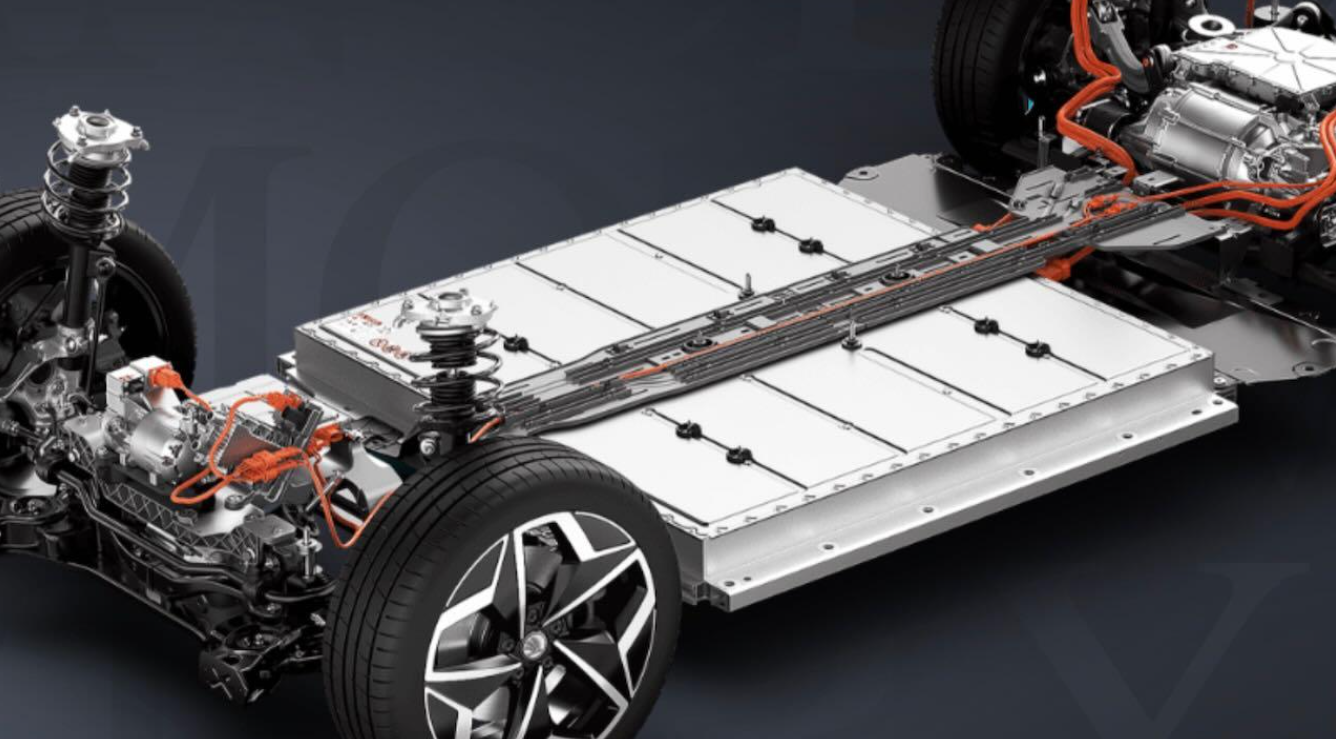
If you rank car batteries from an environmental perspective across the full lifecycle — raw materials, manufacturing, safety, lifespan, recycling, and long-term sustainability — the picture looks roughly like this today:
| Ranking | Battery Type | Environmental Rating | Why |
|---|---|---|---|
| 1 | LFP (Lithium Iron Phosphate) | ⭐⭐⭐⭐⭐ | No cobalt/nickel, long lifespan, low fire risk, relatively low climate impact |
| 2 | Sodium-ion | ⭐⭐⭐⭐½ | No lithium or cobalt, abundant raw materials, very promising |
| 3 | Lithium-sulfur | ⭐⭐⭐⭐½ | Very low theoretical environmental impact and high energy density, but still immature |
| 4 | Solid-state | ⭐⭐⭐ | Potentially safer and more energy-dense, but currently higher production impact and difficult recycling |
| 5 | NMC / NCA (Nickel-Cobalt based) | ⭐⭐ | High energy density but larger environmental issues around nickel/cobalt mining and higher CO₂ footprint |
| 6 | Lead-acid | ⭐ | Heavy metals, low energy density, short lifespan |
1. LFP – the best overall today
Common in standard-range Tesla models, BYD vehicles, and many affordable/mid-range EVs.
Advantages
- No cobalt or nickel
- Lower manufacturing emissions
- Very long lifespan
- High safety and low fire risk
- Handles many charge cycles well
Disadvantages
- Heavier
- Lower energy density → slightly shorter range
Studies indicate that LFP batteries can produce around 60% lower emissions during manufacturing compared to NMC batteries.
2. Sodium-ion – potentially the future environmental winner
A very promising technology.
Advantages
- Does not require lithium
- No cobalt/nickel
- Sodium is extremely abundant
- Cheaper and geopolitically less sensitive
Disadvantages
- Lower energy density than current lithium batteries
- Still early in commercialization
Could become especially attractive for:
- Small EVs
- Stationary energy storage
- Lower-cost EV segments
3. Lithium-sulfur – potentially extremely environmentally friendly
Research suggests very low environmental impact.
Advantages
- Extremely high energy density
- Reduced dependence on critical metals
- Potentially very low climate footprint
Disadvantages
- Short lifespan today
- Not yet mature for mass-market use
4. Solid-state – somewhat overrated environmentally for now
Many people assume solid-state batteries are automatically the greenest option — that is not necessarily true.
Advantages
- High safety
- Potentially very high energy density
- Fast charging capability
Disadvantages
- Some designs require silver and advanced materials
- Recycling remains difficult
- High manufacturing impact today
Several studies indicate that current solid-state concepts may actually have a higher climate impact than modern lithium-ion batteries.
5. NMC/NCA – best for range, weaker for sustainability
Common in premium vehicles:
- BMW
- Mercedes-Benz
- Volvo Cars
- older Tesla models
Advantages
- High energy density
- Long driving range
- Excellent performance
Disadvantages
- Nickel and cobalt mining impacts
- Higher CO₂ footprint
- Geopolitical and ethical concerns
- Higher fire risk
Recycling is becoming increasingly important
The EU Battery Regulation is pushing the industry toward:
- Higher recycled material content
- Recovery of lithium, nickel, and cobalt
- Full battery traceability
By 2030, a significant portion of new batteries sold in Europe must contain recycled materials.
My overall ranking for 2026
| Battery Type | Environmental Performance Today | Future Potential | Overall Assessment |
|---|---|---|---|
| LFP | 9/10 | 8/10 | Best today |
| Sodium-ion | 8/10 | 10/10 | Most promising |
| Lithium-sulfur | 7/10 | 10/10 | Could become revolutionary |
| Solid-state | 5/10 | 8/10 | Uncertain |
| NMC/NCA | 4/10 | 6/10 | Efficient but resource-intensive |
| Lead-acid | 1/10 | 1/10 | Outdated |