1) EV chargers for different needs (Sweden)
A) Standard home charging (“just charge at home”)
- Most common and best default: 3-phase 11 kW (16A).
- Choose 22 kW only if you actually have 32A supply and a real need for faster AC charging.
- Nice-to-have features: scheduling (cheap hours), RFID/locking, a solid app.
B) Smart / price-optimized charging
- Supports hourly electricity prices (e.g., charge at night when cheap).
- Prefer a charger that integrates with your energy service (if you use one).
C) Multiple cars / future-proofing
- Support for load sharing between multiple chargers (so two cars can charge safely).
- Reliable connectivity (Wi-Fi/Ethernet/4G depending on the solution).
Concrete examples
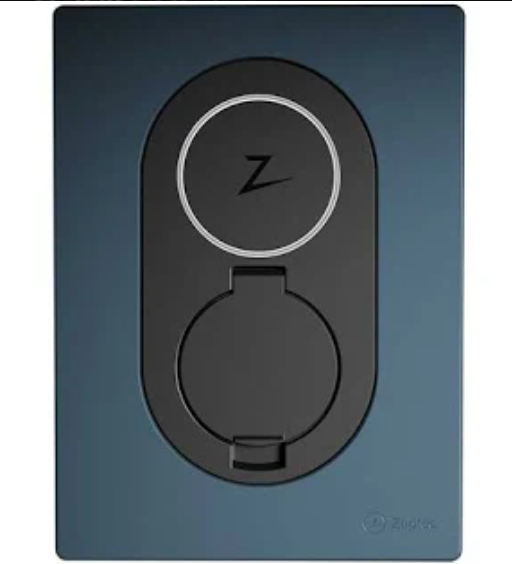
- Zaptec Go: compact, very common in Sweden. Great “standard” home charger; add load balancing if you’re near fuse limits.
- Tesla Wall Connector Gen 3: simple and often good value, especially for Tesla; supports power sharing across multiple Wall Connectors (useful for 2 cars).
- Charge Amps Halo: “premium feel” option; typically paired with Amp Guard for dynamic features.
- Easee (system approach): good if you want a scalable ecosystem and multiple chargers with smart power sharing.
- Charge Amps Aura (two outlets): one unit with two outlets; can balance power between the two cars.
2) EV charger with load limiting (dynamic load balancing / “main-fuse protection”)
What it is
A sensor/meter measures the home’s total consumption in real time and reduces charging current so your main fuse doesn’t trip.
Why it matters
- When cooking, heat pump, sauna, dryer, etc. run while the car is charging.
- Often cheaper than upgrading the main fuse, and it helps avoid peak loads.
What to check before buying
- Does your electricity meter expose P1/HAN data, or do you need CT clamps?
- 1-phase vs 3-phase at home, and your main fuse size (A).
- Do you want the option to add a second charger later?
Concrete examples (typical combos)
- Zaptec Go + Zaptec Sense: Sense measures total home load and adjusts charging dynamically.
- Easee + Easee Equalizer: Equalizer enables dynamic load balancing (requires compatible P1/HAN data; works only with Easee chargers).
- Charge Amps (Halo/Aura) + Amp Guard: Amp Guard provides load balancing and is also used for their solar feature.
- Wallbox + Power Meter / Power Boost (DLM): Wallbox uses a meter to monitor load and reduce charging power to prevent overload.
3) Charger for solar + home battery + V2G/V2H (“V2 grid”)
A) Solar surplus charging (charge on PV export)
Goal: charge the car when you have PV surplus/export instead of selling it back.
Needs
- Real-time import/export measurement + either:
- a charger “solar mode”, or
- an energy platform controlling charging.
Concrete examples
- Charge Amps (Green Charging) + Amp Guard: solar/green charging feature enabled via Amp Guard.
- Wallbox (Eco-Smart / Solar Charging) + Power Meter: solar charging mode typically requires their meter.
- With Tibber: use a Tibber-integrated charger and Tibber’s control logic (depending on your setup).
B) Solar + home battery (energy optimization)
This becomes an ecosystem/EMS decision: who is the “brain”?
- inverter/EMS,
- energy platform (e.g., Tibber-style control),
- or the charger’s own ecosystem.
Practical rule: pick a charger that supports dynamic control and has robust metering (Power Meter / P1/HAN / CT).
C) V2G / V2H (bidirectional charging — the car can feed power back)
What it requires
- A compatible car (V2G/V2H-capable)
- A bidirectional charger (often DC-based for home)
- The right electrical setup and local market/agreements
Reality check
- This is still more pilot/gradual rollout than universal plug-and-play.
Concrete example
- Wallbox Quasar 2 (bidirectional): marketed with Vehicle-to-Home and Vehicle-to-Grid modes, but bidirectional support depends on car compatibility and local rollout.
Practical recommendation
- Buy a strong solution today with load balancing + solar control, and treat V2G/V2H as a later upgrade when your car/market fully supports it.
Short recommendation (3 lines) for 20A main fuse + Tibber
20A + Tibber (no solar) — 3 lines
- Choose a 3-phase 11 kW charger + dynamic load balancing (mandatory at 20A) (e.g., Zaptec Go + Sense / Charge Amps + Amp Guard / Easee + Equalizer / Wallbox + Power Meter).
- Use Tibber Smart Charging and schedule charging to cheap hours (often night) + cap max current (e.g., 16A) to keep a safety margin for the house.
- Avoid peak loads: let the load balancer reduce charging when cooking/heat pump runs, so your 20A main fuse never trips.
20A + Tibber + solar — 3 lines
- Same base: 11 kW + load balancing, but choose a setup that also supports solar surplus charging (charger “solar mode” or Tibber-based control).
- Control logic: charge on PV surplus during the day, with a backup plan to top up during cheap hours if PV isn’t enough.
- In practice: set a minimum charging level (to avoid start/stop cycling) and let load balancing always prioritize the home so you stay within 20A.
—————————————————————————————————————————–
Do you want EV news in your mailbox every week – SUBSCRIBE
Do you miss anything regarding EV’s on this site – send an email to info@ev-erything.com